The Farm Inside Your Home
Author
Published
7/1/2026
Mud Room & Living Room
Shoes
Dress shoes are often made with full-grain leather or calfskin, while sneakers, like basketball shoes, use cowhide leather mixed with rubber.
Sports Balls
Basketballs, footballs and baseballs can all be crafted with cow leather. A single cow hide produces about 20 footballs or 12 basketballs.
Baseball Gloves
The most common leathers used in baseball gloves are cowhide and steerhide. Steerhide is thicker than cowhide, but it is better at molding to a player’s hand over time.
Tennis Balls
The felt covering of tennis balls is made from sheep’s wool. The highest-quality balls have a blend of 65% to 75% wool.
Hats
Wool in stocking hats and beanies can be sourced from many animals, including sheep, goat or alpacas. Wool is water-resistant, which makes it a great cold-weather material.
Candles
The use of beeswax in candles can be dated back all the way to Ancient Egypt. Soy wax, which is made from soybean oil, was popularized in the early 1990s as a lower-cost option.
Furniture Foam
While polyurethane is the more popular material for cushion foam, some brands replace a portion of petroleum-based polyols with soy-based foam. Other brands use latex foam, which comes from rubber trees.
Vinyl Records
Bio-based plasticizers in vinyl are derived from plant-based materials like soybean oil and castor oil.
Rugs & Carpets
Wool-blend and 100% wool rugs and carpets are crafted with sheep’s wool, which has been used for carpets since 2000–3000 B.C.
Upholstered Furniture
Leather furniture upholstery is made from cattle hide, while natural-fiber upholstery can be cotton, linen (made from flax) or wool (generally from sheep).
Home Office
Pencils: Graphite or lead pencils are made of wood casing, from trees, glued around a core of graphite powder mixed with a clay binder.
Erasers: Pencil erasers are often made from synthetic rubber, a polymer derived from rubber trees.
Crayons: Ingredients including animal fats and soy wax from soybeans—an alternative to paraffin—enable crayons’ smooth texture and color.
Paper: Wood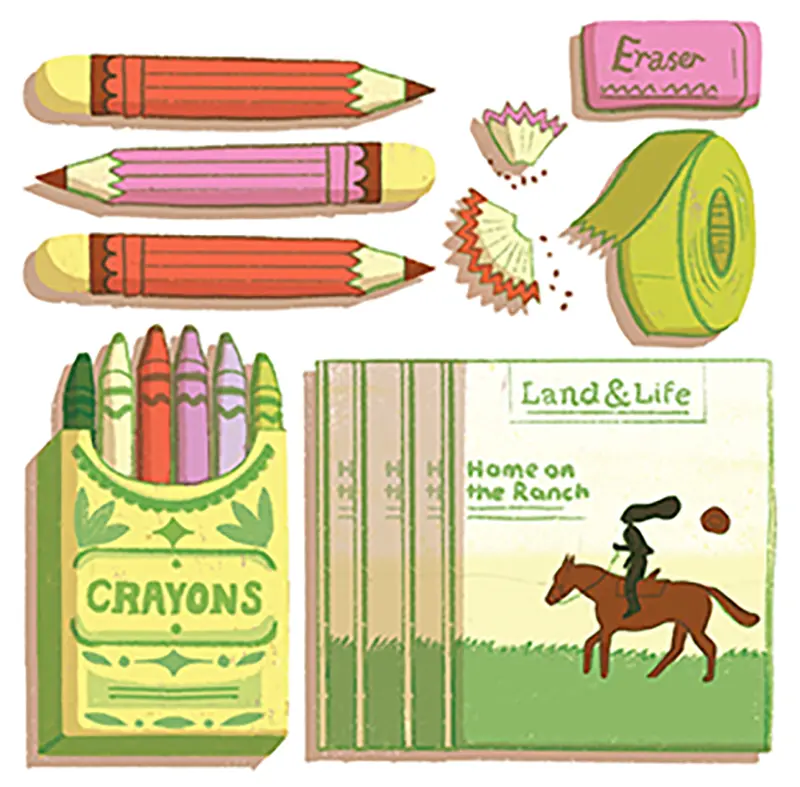 pulp fibers from trees are processed, pressed and dried into sheets to make paper products.
Ink: Some newspapers and magazines (including this one!) are printed with ink containing soy or vegetable oils vs. the standard petroleum-based inks.
Tape: The sticky side of tape is made of rubber resins from rubber trees.
Bathroom
Body Products & Skincare
Body products like soaps, facial moisturizers, hair conditioners and natural deodorant sometimes contain tallow (fat from cattle or sheep), which aids in hydration and is rich in fatty acids.
Diapers
Eco-friendly diapers use bioplastics that come from sugarcane or cornstarch. Some diaper brands also make 100% cornstarch top sheets to increase biodegradability.
Toothpaste
To make kids’ toothpaste taste sweet, it often contains sorbitol, which is derived from corn.
Makeup
Many makeup products contain corn-based ingredients. Cornstarch in makeup powders controls oil, while sorbitol in cream products ensures a smooth application.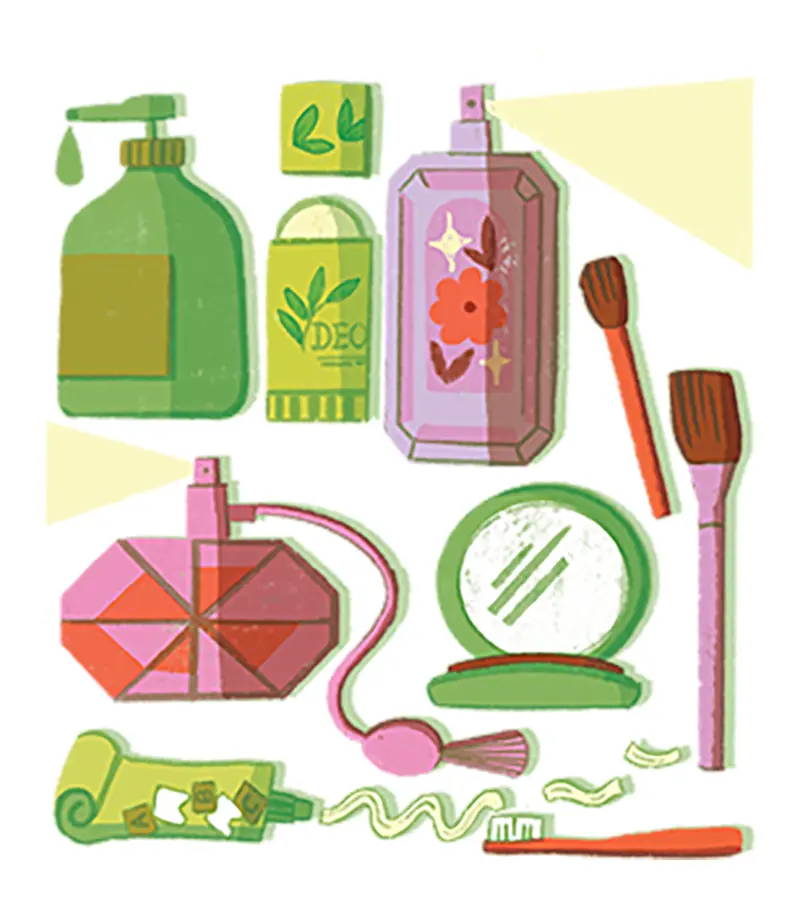
Perfumes
Alcohol in perfumes can be derived from a variety of crops, including wheat, corn, grapes and sugarcane. Each crop has a unique scent profile; corn alcohol is used for its neutral scent.
Soaps & Cleaners
Corn-based ethanol, lactic acid and citric acid are cleaning agents found in hand soaps, hand sanitizer, disinfectants and other cleaning products.
Kitchen
Pet Food
The animal proteins found in pet food are made of rendered meat byproducts, which provide concentrated protein and essential nutrients and reduce food waste.
Kitchen Cabinets
Solid wood cabinets aren’t the only type that come from trees. Wood veneer, laminate, plywood, particleboard and MDF cabinets are also derived from wood products.
Kitchen Countertops
Butcher-block countertops are solid wood, while laminate countertops combine layers of paper and resins over wood-based cores for strength and affordability.
Wine Corks
Wine corks are derived from cork oak, a tree bark. Harvested bark is processed into natural or composite corks.
Did you know?
The University of Minnesota is one of the top wine grape research programs in the country. Since the 1970s, the program has released eight cold-hardy, disease-resistant wine grape varieties.
Bone China
Did you know that your grandmother’s bone china is made from actual bones? Bone ash from livestock strengthens porcelain, creating a lightweight yet durable ceramic.
Gelatin
Gelatin derived from collagen gives this summery treat its jiggly, elastic texture. Animal collagen comes from the bones, hides and connective tissues of cows, pigs and fish.
Garage
Like the rest of your home, your garage contains goods that come from agricultural byproducts.
- Soybean oil additives enhance rubber elasticity and durability in automotive tires—and are a sustainable alternative to petroleum-based oil.
- Corn- or soy-based glycols used in antifreeze are eco-friendly alternatives to crude oil while still protecting engines in cold temperatures.
- Your car’s spark plugs might use corn starch in some manufacturing processes. Corn starch’s properties allow it to be used as a binder in ceramic production, including spark plug insulators.
- The seat and grips on your bicycle use leather and rubber derived from animal hides and latex for durability.
- Researchers are exploring whether corn starch and other biopolymers can be used to make biodegradable batteries.